



Our original plan was to spend Monday afternoon in Humboldt Park exploring one of the largest THC operations in the city . Instead, Illinois’ changing cannabis laws sent us northwest to Itasca, where we discovered something arguably more interesting: a three-year-old company betting big on an industry navigating a structural reset and a sharp post pandemic hangover.
Brella is part manufacturer, part private-label producer, and increasingly, part brand acquisition company. Founded in 2023 by Jimmy Semrick, the operation has grown to nearly 40 employees, roughly $10 million in revenue, and two facilities producing everything from flavored vodka and ready-to-drink cocktails to THC beverages.
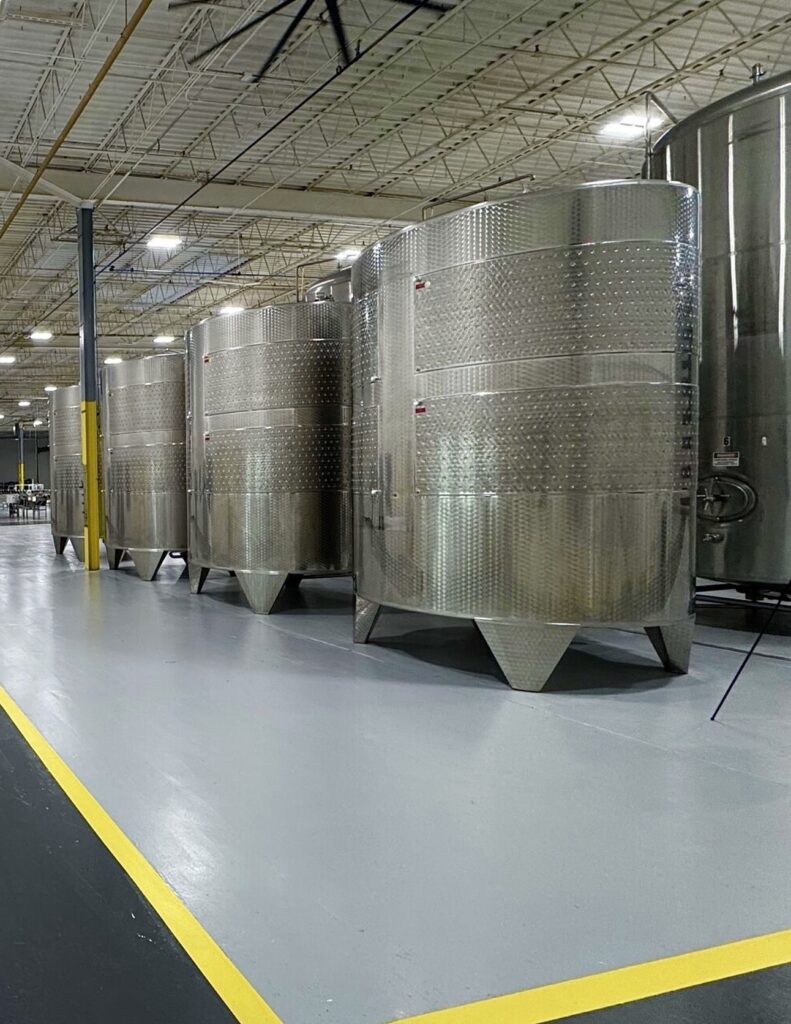
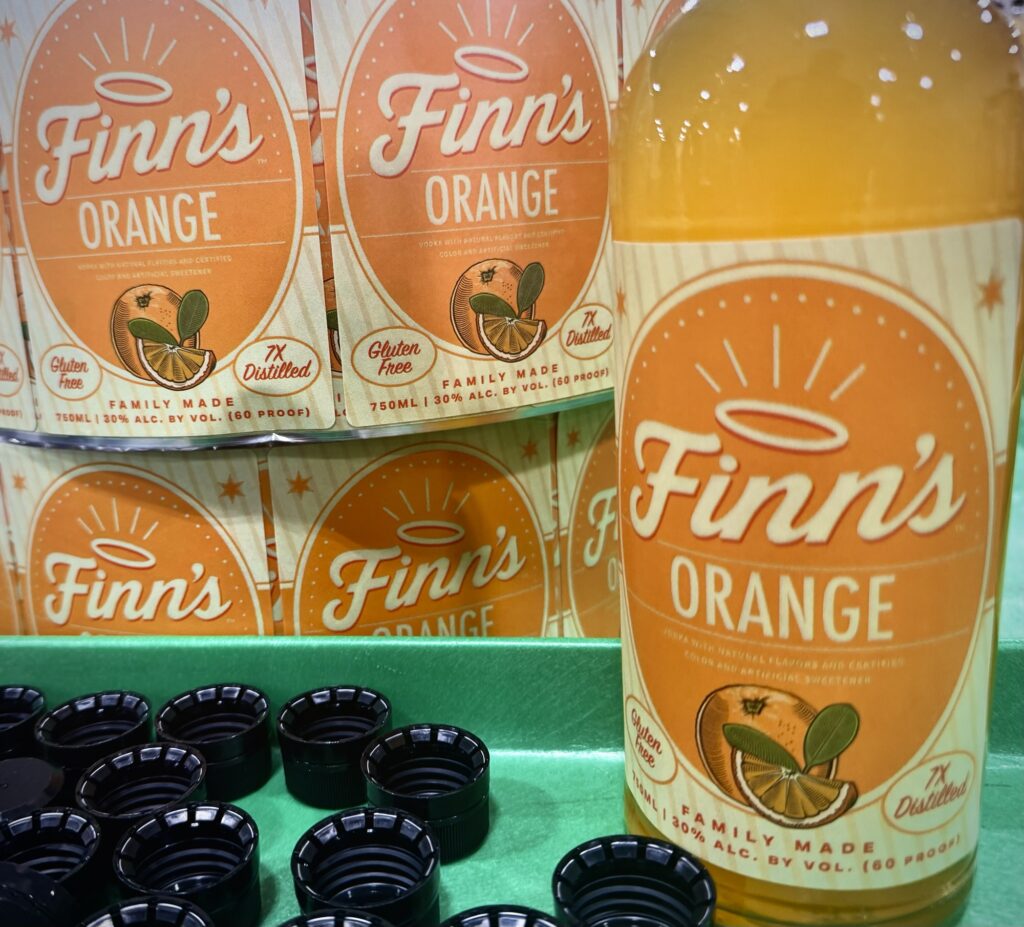
The new Itasca facility is massive. A 100,000-gallon tank farm anchors an operation capable of turning out tens of thousands of bottles per shift. During our visit, the production line was transitioning from blackberry vodka to orange, part of a new flavored lineup for Finn’s, a name longtime Chicago spirits drinkers might remember from Chicago Distilling Company in Logan Square.
The Business of Keeping Brands Alive
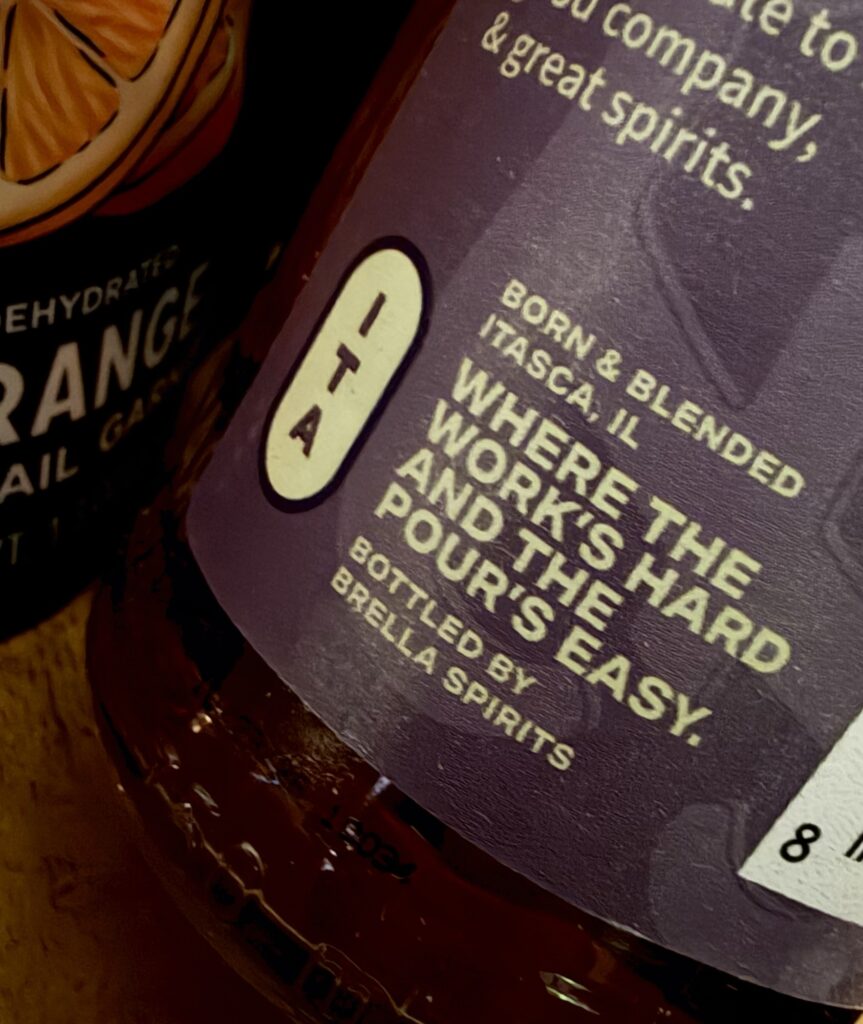
Chicago Distilling Co. was part of the city’s independent spirits movement, a place where creativity, personality, and the liquid itself were the attraction. Brella acquired its spirits portfolio in late 2025, primarily for Finn’s, giving the brand a second life on a considerably larger production platform.
But Brella isn’t interested in recreating the traditional craft distillery.
“The overhead of this infrastructure is so immense that if we were balancing it on the performance of one brand or two brands that we owned, it would be really, really difficult to do,” Semrick explained.
Instead, Brella manufactures for multiple brands and retailers, spreading the enormous costs of production across an entire portfolio. One brand might be declining while another is exploding. One private-label program might struggle while another takes off. The factory keeps moving.
There’s no distilling happening here. Brella purchases bulk spirits, then handles blending, flavoring, proofing, bottling, and packaging. Retailers can dictate exactly what they want produced, down to the flavor profile and price point.
Semrick isn’t interested in guessing what the next big thing will be.
“Tell me specifically what to make. Tell me what price it needs to be, and then I’ll do that.”
It’s almost the complete opposite of the craft philosophy we’ve spent the last two decades celebrating. The romantic idea of a passionate producer making something extraordinary and convincing the world to love it.
Semrick sees the economics differently. Why should every independent brand need its own expensive facility, equipment, and production staff?
The company is actively exploring additional acquisitions, including established brands that larger spirits companies may no longer consider priorities.
There’s something fascinating about that approach. While craft distilleries are closing, bourbon inventories are swelling, and legacy producers are cutting production, Brella is looking for equipment, brands, and experienced talent.
Simmer believes much of the industry’s current trouble is a predictable correction. Pandemic-era buying habits, years of expansion, an explosion of new brands, and bourbon production that outpaced demand all contributed to where we are today.
The THC Curveball
The original reason for our visit was Brella’s Humboldt Park operation, which Simmer describes as one of the country’s largest THC beverage bottling facilities.
That business had become enormous, producing millions of servings weekly. But Illinois’ new hemp restrictions, scheduled to take effect soon, threaten to upend the operation.
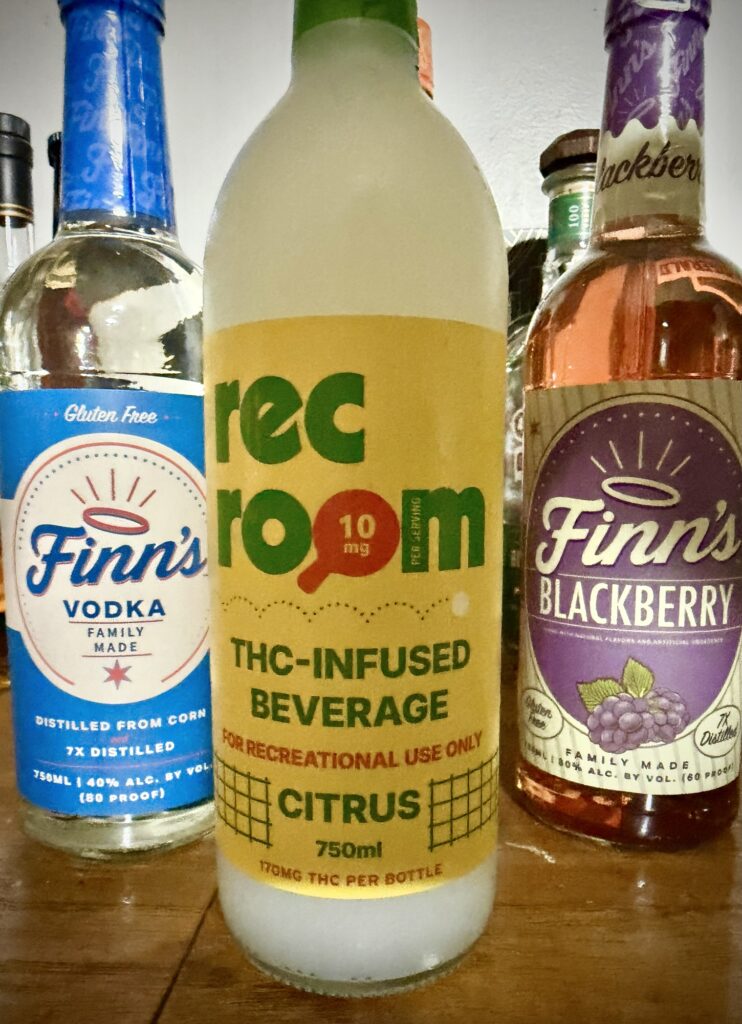
Semrick described the possibility of moving THC manufacturing outside Illinois despite already having the equipment and infrastructure in Chicago. A temporary enforcement delay for certain businesses has added another layer of uncertainty.
For now, Brella is preparing to replace that volume with more traditional spirits production, particularly vodkas and ready-to-drink cocktails. Humboldt Park could eventually become a bonded warehouse for storing finished products before federal excise taxes are due.
It’s an interesting twist. A company built to capitalize on disruption is now navigating a pretty significant disruption of its own.
Three years in, Semrick has no plans to slow down. More acquisitions, more manufacturing capacity, and more brands are on the horizon.
Asked whether he’d ever consider selling Brella, his answer was simple.
“Not yet.”
There’s still too much to build.
A company embracing industrial-scale manufacturing might end up preserving some of the very brands born out of the independent craft movement.
It might not be the future of craft beverages we imagined.
But it could be part of what keeps them around.
—Nkosi
